What Are the Benefits of Online Advertising? A Beginner’s Guide
- John Albury
- Mar 12
- 4 min read

Key Takeaways
• Online advertising boosts brand visibility by reaching wider and more targeted audiences quickly.
• It is cost-effective with flexible pricing models, helping businesses of all sizes achieve measurable results.
• Targeted campaigns improve engagement by focusing on the right audience, increasing clicks, leads, and conversions.
• Performance is measurable through analytics, enabling data-driven optimization for better marketing outcomes.

In today’s digital world, traditional advertising alone is no longer enough. Businesses of all sizes are turning to online advertising to reach new customers, promote their products, and grow their brand. Whether it’s through search engines, social media, or email campaigns, online advertising has transformed the way companies engage with their audience.
For beginners, understanding the benefits of online advertising is essential to creating successful marketing strategies. A well-planned online ad campaign can increase brand visibility, target the right audience, and generate measurable results that support business growth.
Understanding Online Advertising
What Is Online Advertising?
Online advertising, also known as digital advertising, involves promoting products, services, or brands using internet platforms. Unlike traditional media, online ads can be tailored to specific audiences and tracked for performance.
Common types of online advertising include:
Search Ads: Appear on search engines like Google when users search for relevant keywords.
Display Ads: Banners or visuals on websites to attract attention.
Social Media Ads: Ads on platforms like Facebook, Instagram, TikTok, and LinkedIn targeting specific users.
Video Ads: Short videos on platforms such as YouTube or social media.
Email Marketing: Targeted campaigns delivered directly to subscribers’ inboxes.
Why Online Advertising Matters
Online advertising allows businesses to reach a wider audience faster and more effectively than traditional advertising. For beginners, it provides a way to:
Reach potential customers globally or locally.
Promote products or services efficiently.
Gain insights about customer behavior through analytics.
It is a powerful tool that complements other marketing efforts like SEO, content marketing, and social media.
Key Benefits of Online Advertising
1. Increased Brand Visibility
Online advertising helps businesses get noticed by a wider audience:
Ads appear on search engines, websites, and social media feeds.
Consistent exposure builds brand recognition over time.
Beginners can quickly introduce their brand to potential customers without relying solely on organic traffic.
Increased visibility ensures that your brand is top-of-mind when users are ready to make a purchase.
2. Cost-Effectiveness
Unlike traditional advertising, online advertising offers flexible pricing models:
Pay-per-click (PPC): Only pay when someone clicks your ad.
Performance-based campaigns: Spend is tied to measurable outcomes like leads or sales.
Small budgets can still achieve results, making online advertising accessible for startups and small businesses.
This cost-effectiveness allows businesses to maximize their marketing investment while minimizing wasted spend.
3. Targeted Marketing
One of the greatest advantages of online advertising is precise targeting:
Demographics: Age, gender, location, and occupation.
Interests: Hobbies, online behavior, and preferences.
Retargeting: Reach users who have previously visited your website or interacted with your brand.
Targeted campaigns increase the likelihood of reaching people who are genuinely interested, improving ROI and reducing unnecessary ad spend.
4. Measurable Results
Online advertising provides detailed insights into campaign performance:
Track impressions, clicks, and conversions in real-time.
Analyze return on investment (ROI) to understand effectiveness.
Adjust campaigns based on data-driven insights to optimize results.
This transparency makes online advertising a reliable tool for beginners to learn what works and improve over time.
5. Improved Customer Engagement
Interactive ads encourage user engagement:
Users can click, share, comment, or follow your brand directly from the ad.
Engagement helps build relationships and trust with potential customers.
Ads can direct users to landing pages, lead forms, or product pages for seamless interaction.
Engaged users are more likely to convert into loyal customers over time.
6. Supports Other Marketing Efforts
Online advertising works well alongside other digital marketing strategies:
SEO: Paid search ads complement organic search efforts.
Content marketing: Promote blogs, videos, or downloadable content to reach more users.
Social media marketing: Boost posts and increase reach beyond followers.
A combined approach ensures consistent messaging across multiple channels, enhancing overall marketing performance.
Tools and Platforms for Online Advertising
Beginners can leverage various platforms and tools to create and monitor campaigns:
Google Ads: Ideal for search and display campaigns.
Facebook and Instagram Ads: Target users based on demographics and interests.
LinkedIn Ads: Reach professionals and B2B audiences.
TikTok Ads: Engage a younger, creative audience.
Email Platforms: Segment and send targeted campaigns directly to subscribers.
Analytics Tools: Google Analytics, HubSpot, or platform-specific dashboards to track performance.
Using these tools ensures campaigns are effective, measurable, and optimized for results.
Best Practices for Beginners
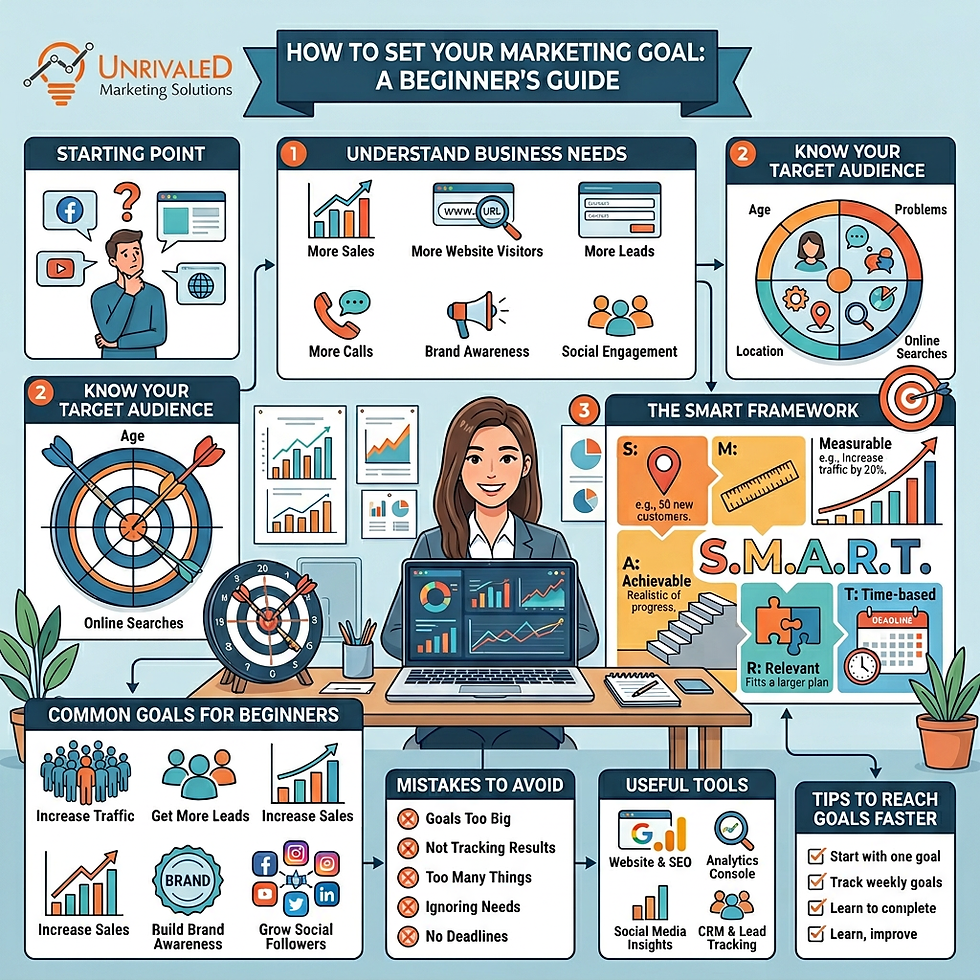
Define Clear Goals: Know whether your objective is sales, leads, or brand awareness.
Select the Right Platform: Match the platform to your target audience.
Use High-Quality Visuals and Copy: Capture attention with compelling creatives.
Monitor Performance Regularly: Track clicks, impressions, and conversions.
Test and Optimize: Try different ad formats, targeting options, and messaging to improve results.
Following these best practices ensures beginners can start advertising effectively and achieve meaningful results.
Common Mistakes to Avoid
Not defining a target audience properly.
Ignoring budget management or bid strategies.
Using low-quality visuals or unclear messaging.
Failing to track and analyze campaign performance.
Running campaigns without testing different approaches.
Avoiding these mistakes helps maximize the benefits of online advertising.
Conclusion
Online advertising offers multiple benefits for businesses, including increased brand visibility, cost-effectiveness, precise targeting, measurable results, and improved customer engagement. For beginners, it is a powerful tool to reach potential customers, promote products, and grow a brand effectively.
Start leveraging online advertising today: choose the right platform, set clear objectives, create engaging campaigns, and track performance to achieve your marketing goals.
Frequently Asked Questions (FAQ)
What is online advertising?
Online advertising is the promotion of products, services, or brands using digital platforms such as search engines, social media, websites, and email campaigns.
Why is online advertising important for businesses?
It allows businesses to reach targeted audiences, increase brand visibility, engage potential customers, and measure results more effectively than traditional advertising.
How does online advertising improve ROI?
Through precise targeting, pay-per-click models, and measurable analytics, businesses can optimize campaigns to reduce wasted spend and increase conversions.
Which platforms are best for beginners?
Google Ads, Facebook Ads, Instagram Ads, LinkedIn Ads, and email marketing platforms are beginner-friendly
Comments